
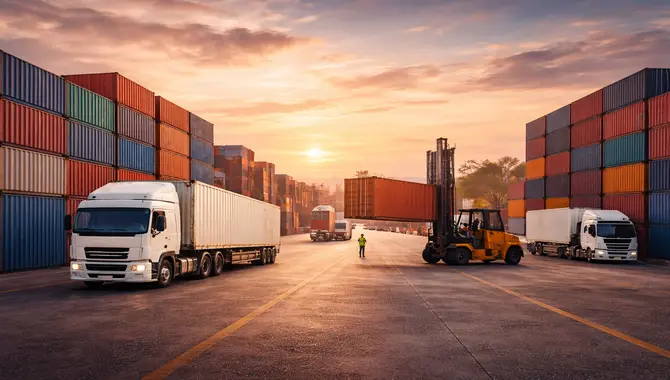
Global supply chains are under constant pressure. Climate volatility, labor unrest, regulatory shifts, port congestion, and geopolitical realignments have transformed logistics risk from an occasional concern into a permanent operational variable. For companies expanding across Mexico, Colombia, Peru, and the United States, resilience is no longer optional — it is a strategic requirement.
A resilient logistics strategy is the difference between controlled adaptation and costly disruption.
Why Logistics Resilience Is Now a Competitive Advantage
Operational losses caused by supply chain disruptions go beyond delayed shipments. They impact:
- Revenue continuity
- Working capital efficiency
- Customer experience
- Brand reputation
- Regulatory compliance
In cross-border commerce, especially in emerging and high-growth markets, the complexity multiplies. International freight dependencies, customs clearance requirements, local fulfillment constraints, and payment collection risks can cascade quickly if not properly orchestrated.
Companies that invest in end-to-end supply chain risk management reduce volatility, protect margins, and maintain service levels even during external shocks.
The Main Risk Categories in Latin American Operations
- Climate and Environmental Disruptions
- Labor and Operational Interruptions
- Regulatory and Compliance Changes
Extreme weather events increasingly affect ports, highways, and last-mile delivery networks. Flooding, hurricanes, and landslides disrupt freight schedules and inventory positioning. Without diversified routing and dynamic carrier coordination, delays compound across the chain.
Port strikes, carrier shortages, and warehouse labor constraints can paralyze inbound and outbound flows. Businesses relying on fragmented logistics providers face limited visibility and slower response times.
Customs policy shifts, tax reforms, labeling requirements, and import/export restrictions can change with limited notice. Non-compliance leads to fines, seized goods, or operational suspension.
In high-growth cross-border e-commerce and B2B trade, regulatory risk is particularly critical.
From Fragmentation to Orchestration: The 5PL Advantage
Traditional logistics models rely on disconnected service providers: freight forwarders, customs brokers, warehouses, payment processors, and local carriers. This fragmentation increases exposure to risk due to lack of coordination and limited real-time visibility.
A 5PL (Fifth-Party Logistics) model centralizes orchestration across the entire supply chain. Instead of managing vendors independently, companies leverage an integrated partner that coordinates:
- International transportation
- Local warehousing and fulfillment
- Last-mile delivery
- Merchant of Record services
- Payment processing and cash collection
- Revenue consolidation and repatriation
- Fraud prevention and compliance reporting
This unified model enhances operational continuity and accelerates response times during disruptions.
Building a Resilient Cross-Border Logistics Strategy
Resilience is not reactive; it must be designed into the system.
Key pillars include:
- Diversified Routing and Carrier Networks
- Integrated Technology and Real-Time Visibility
- Localized Operational Infrastructure
- Regulatory Monitoring and Compliance Support
- Financial Risk Mitigation
Redundant transportation options reduce dependency on single ports or carriers.
Centralized data enables proactive decision-making when conditions change.
Strategic warehousing and fulfillment capacity in key markets reduce cross-border exposure.
Active oversight prevents compliance-related shutdowns or delays.
Secure payment processing, COD management, fraud detection, and structured revenue repatriation protect cash flow stability.
How Kiki Latam Enables Supply Chain Resilience
Kiki Latam operates as a 5PL / FIPL platform designed to orchestrate end-to-end supply chains across Mexico, Colombia, Peru, and the United States.
Rather than acting as a traditional freight intermediary, Kiki integrates modular logistics services under one coordinated framework, reducing operational friction and exposure to risk.
- End-to-End Orchestration
- Cross-Border Logistics Solutions
- Local Fulfillment and Last-Mile Delivery
- Merchant of Record and Payments
- Risk-Aware Financial Flows
From onboarding and due diligence to production coordination and international freight management, Kiki ensures alignment across every stage of the supply chain.
International transportation is coordinated with vetted third parties, while customs and regulatory oversight minimize clearance delays and compliance issues.
Warehousing, fulfillment, and final delivery operations reduce dependency on single-point international flows, improving resilience in domestic markets.
With active Merchant of Record operations in the U.S. and expansion across LATAM, Kiki supports compliant sales operations, payment processing (including Cash on Delivery), fraud mitigation, and structured revenue consolidation.
By managing payment collection, reconciliation, and repatriation, Kiki strengthens cash flow predictability even during operational volatility.
This integrated structure reduces fragmentation — one of the primary drivers of operational risk.
Resilience Is an Investment in Growth
Companies expanding into Latin America often focus on demand generation and market entry strategy, but logistics resilience determines long-term viability.
Without a structured supply chain risk management framework, growth amplifies vulnerability. Inventory exposure increases. Cross-border dependencies multiply. Financial risk compounds.
Conversely, businesses that embed resilience into their logistics infrastructure gain:
- Greater operational stability
- Faster disruption recovery
- Stronger compliance positioning
- Improved working capital management
- Higher customer retention
Resilience is not about eliminating risk. It is about controlling it through orchestration, visibility, and strategic infrastructure.
Future-Proofing Your Latin American Operations
As climate patterns intensify, regulatory frameworks evolve, and labor markets shift, disruption will remain constant. The question is not whether interruptions will occur, but how prepared your logistics model is to absorb them.
An integrated 5PL platform reduces complexity, enhances transparency, and transforms risk from a reactive problem into a managed variable.
If your company is expanding or optimizing operations across Mexico, Colombia, Peru, or the United States, now is the time to evaluate whether your logistics infrastructure is designed for resilience.
Assess your supply chain exposure and build a disruption-ready strategy.